
For decades the Soviet Union had denied it possessed chemical weapons. But in 1987 it came clean under orders of party leader Mikhail Gorbachev. The USSR invited delegates of the Geneva-based Conference on Disarmament to see samples of chemical munitions. This took place in Shikhany, a hitherto closed chemical weapons facility and testing ground on the Volga, some 750 kms southeast of Moscow.
I was one of the few journalists invited to cover the event. Here are some of the pictures I took back then. Details of the visit, the munitions shown and chemical warfare agents of the Soviet Union can be found here. More pictures I took are here.
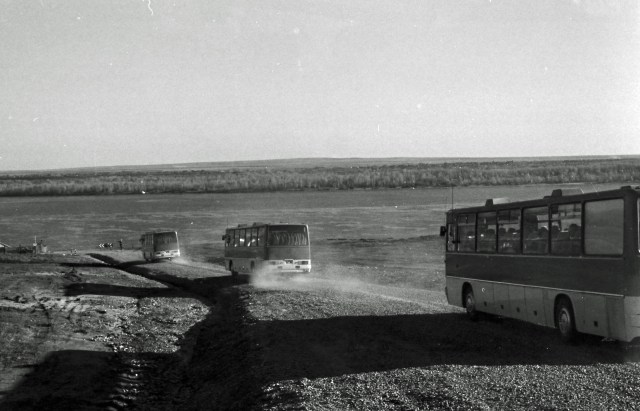
Approaching the Shikhany chemical weapons base.© 1987 Hans de Vreij
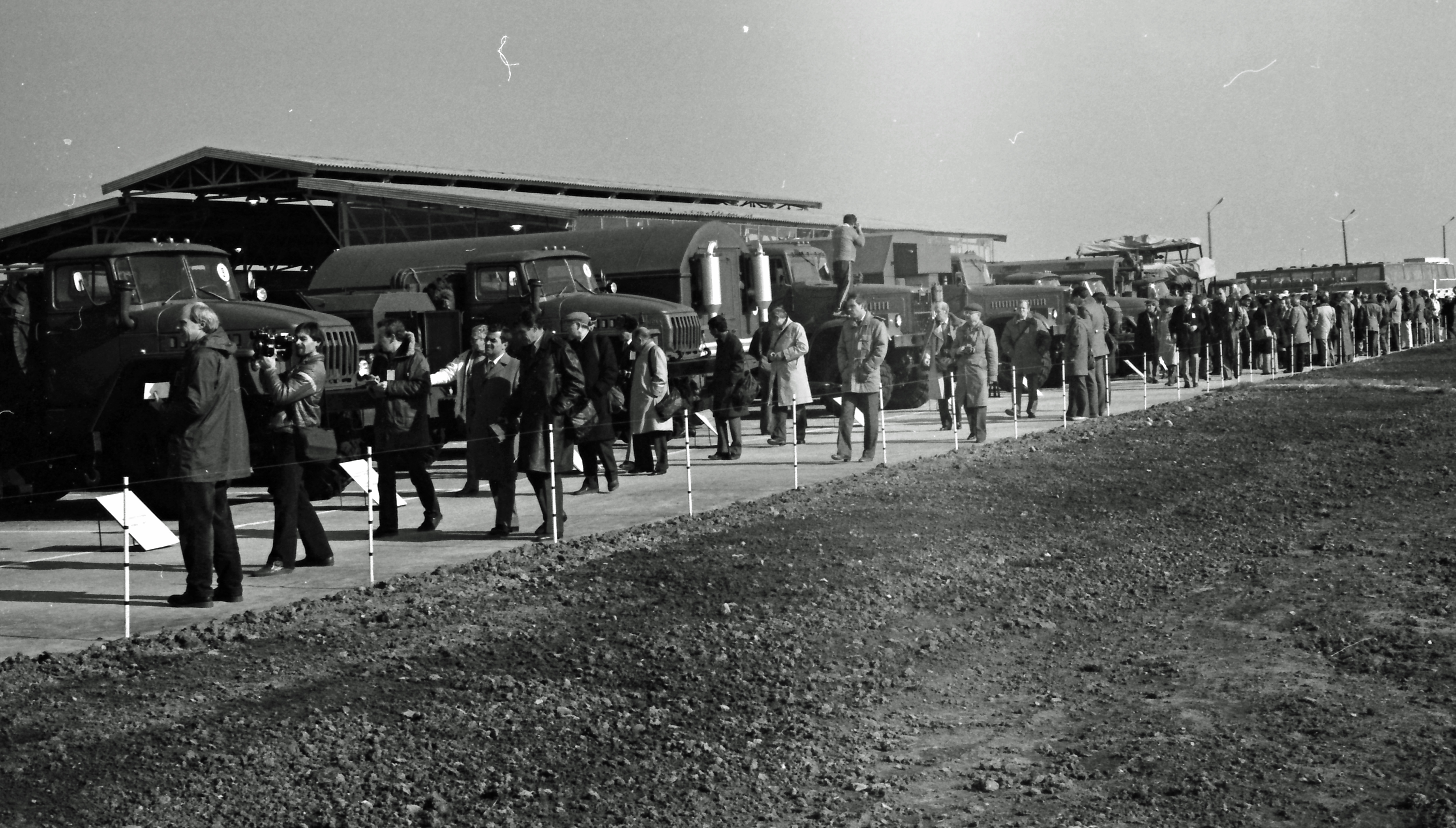 Delegates at Shikhany. © Hans de Vreij
 Chemical warhead for the Scud missile. Filled with 555 kilograms of viscous (persistent) VX nerve agent. Presumably the Soviet variant known as VR and R-33. © Hans de Vreij
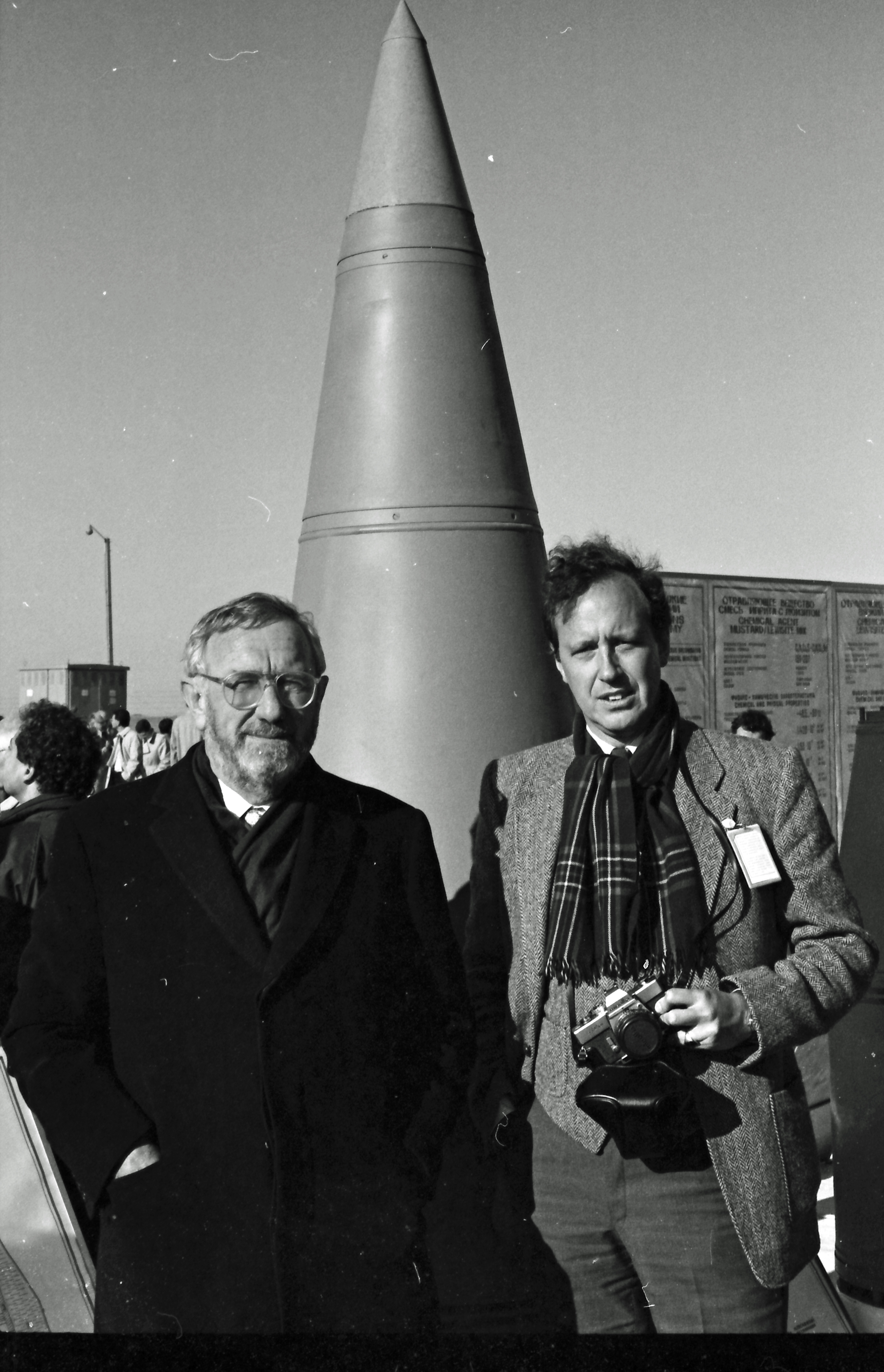 Shikhany 1987. Two Dutch diplomats and a VX warhead for Scud missiles. © Hans de Vreij
 Shikhany 1987. Assorted chemical munitions. © Hans de Vreij
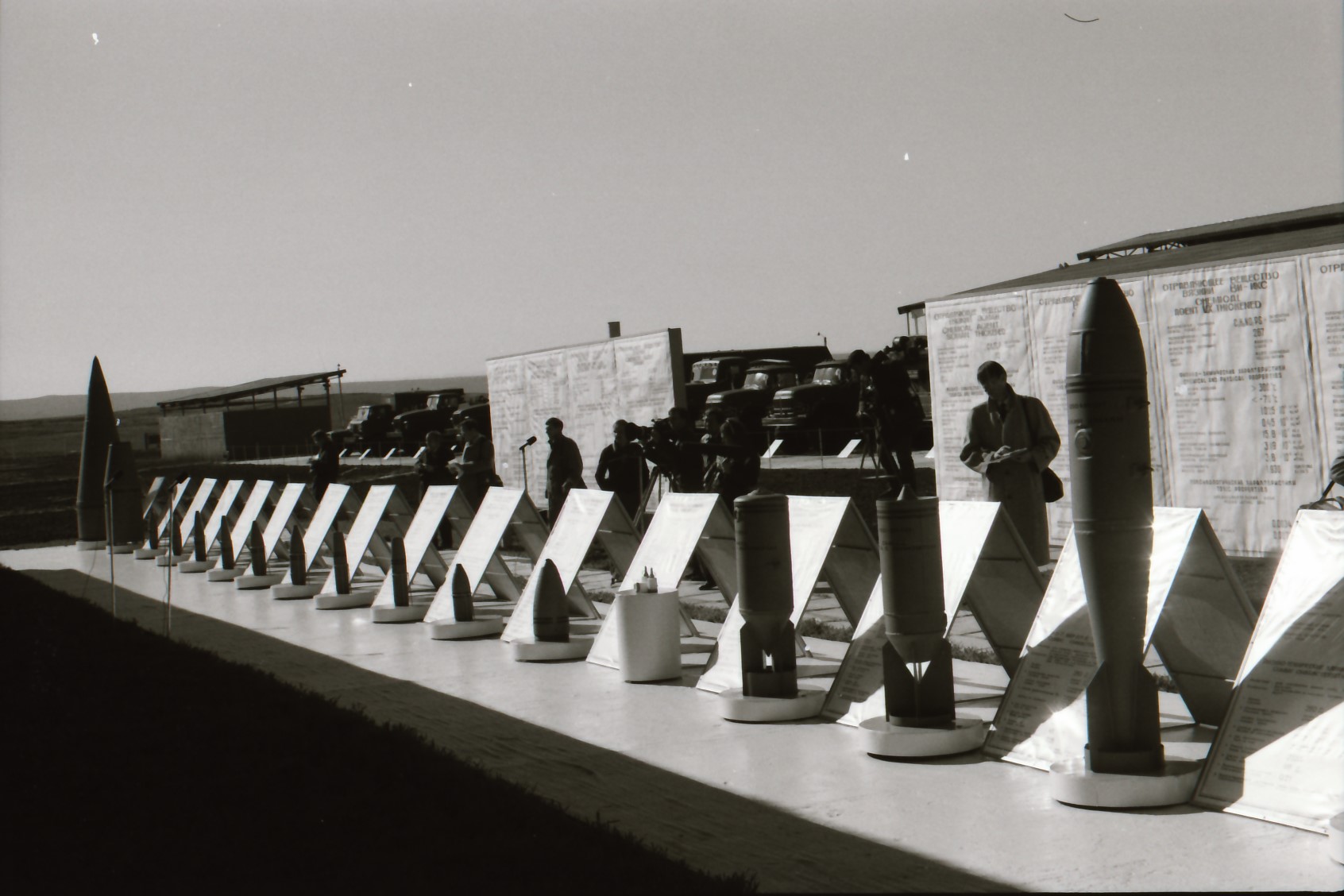 Shikhany 1987. Assorted chemical munitions. © Hans de Vreij
 Shikhany 1987 Chemical spray tank, free-fall bomb. © Hans de Vreij
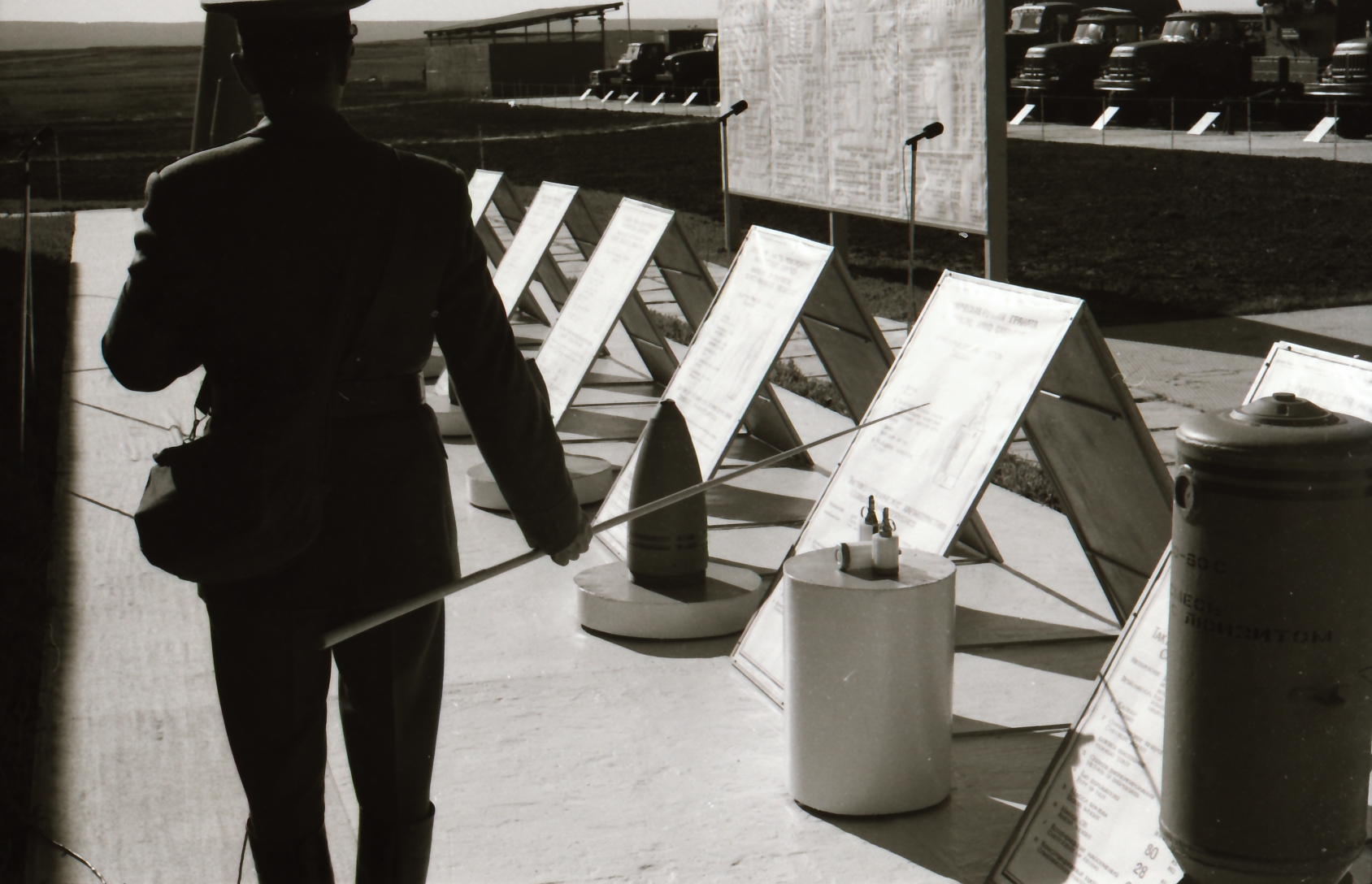 Shikhany 1987. © Hans de Vreij
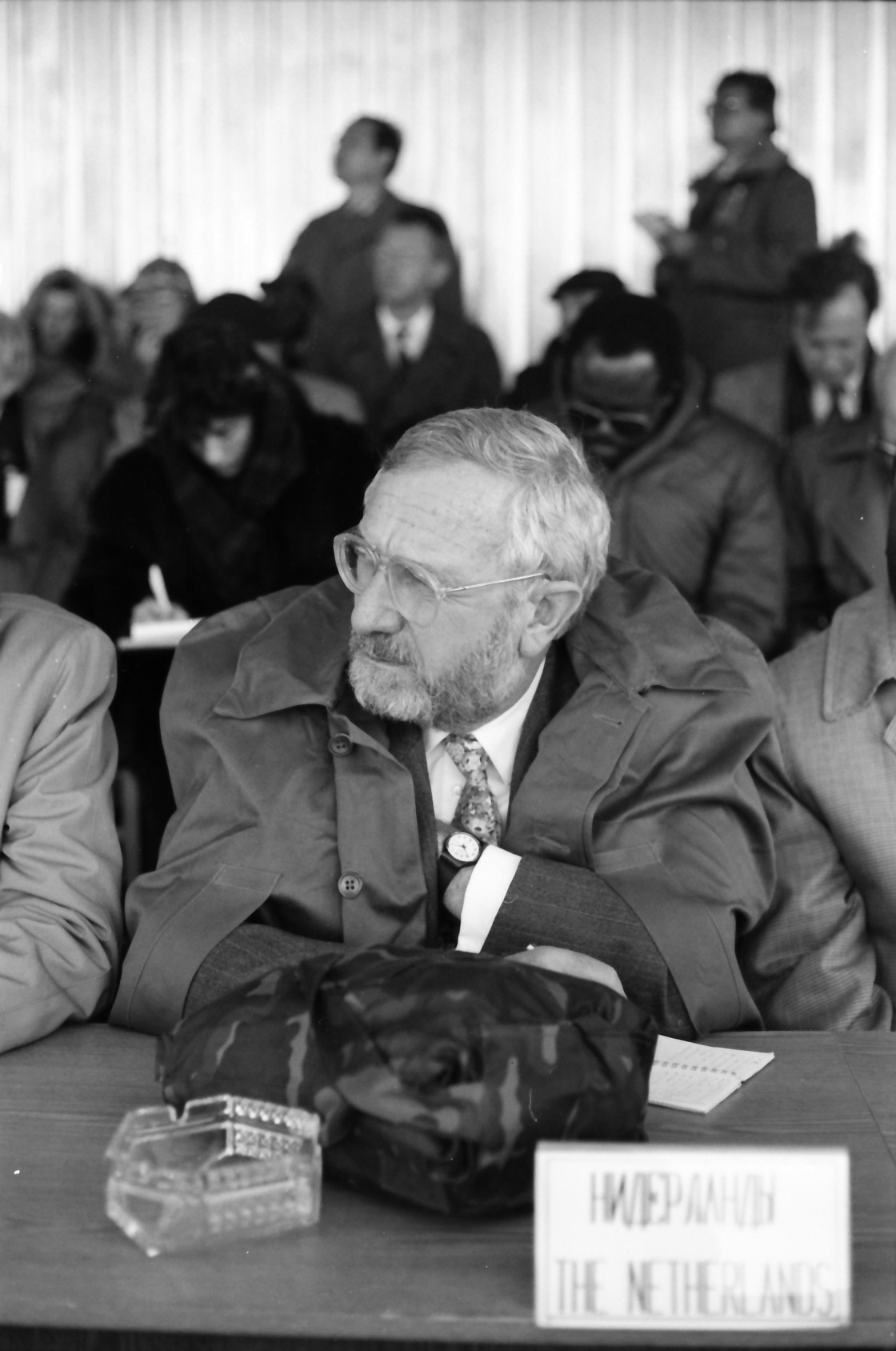 Shikhany 1987. Dutch Permanent Representative to the Conference on Disarmament, ambassador Robert van Schaik. © Hans de Vreij
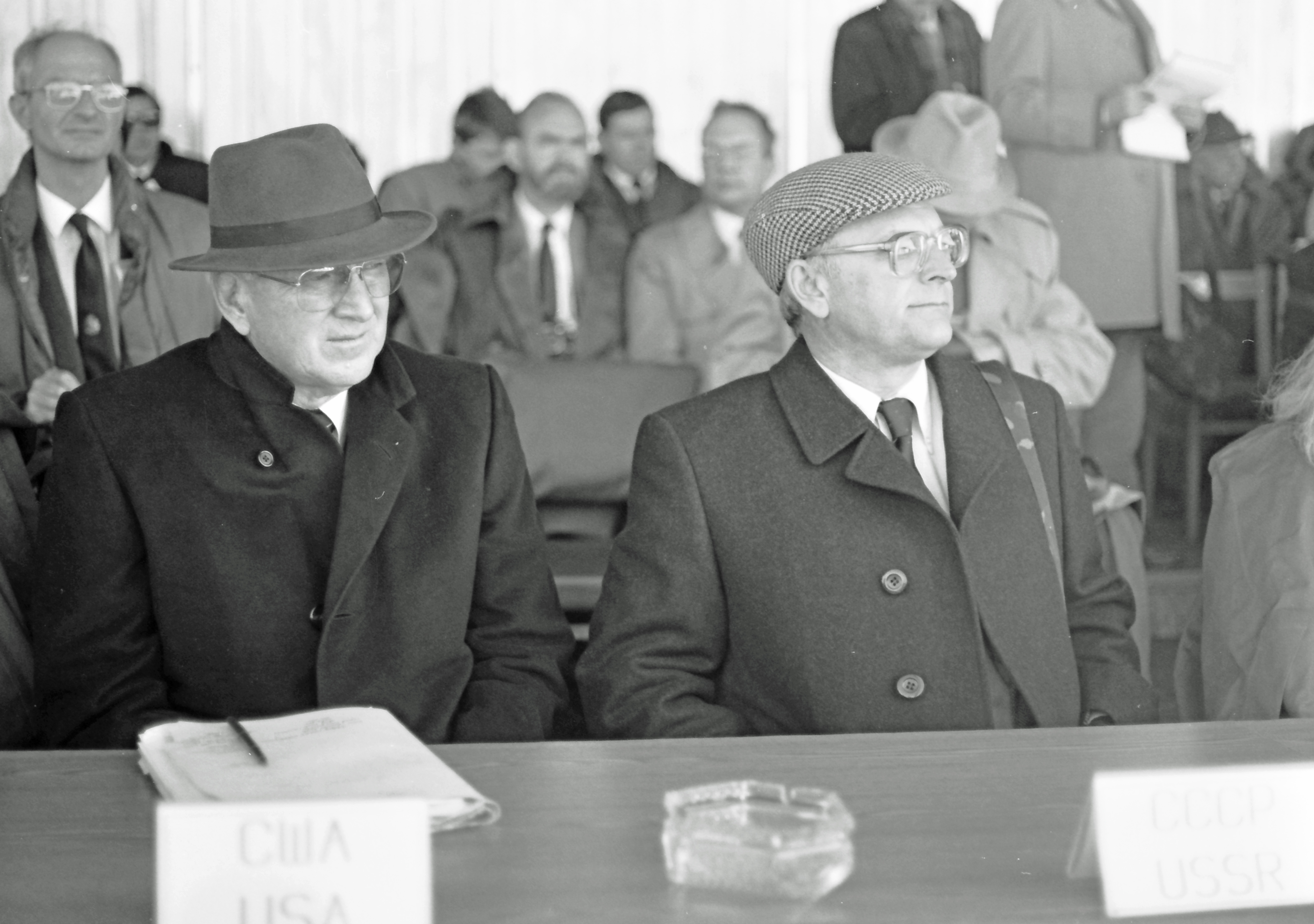 Shikhany 1987. The main protagonists during the negotiations on a chemical weapons ban. Ambassador Max Friedersdorf (U.S., left) and Yuri Nazarkin. © Hans de Vreij
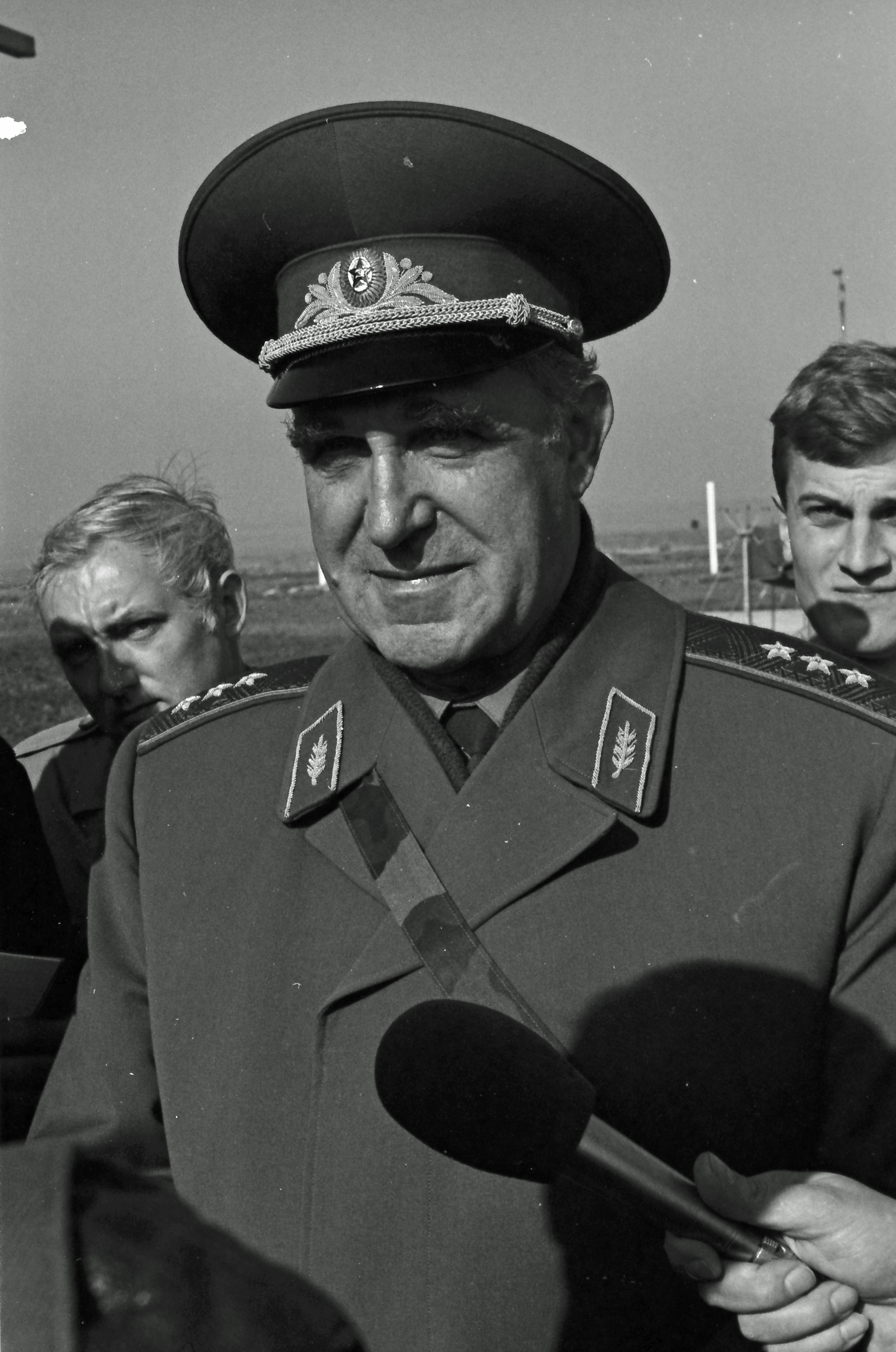 Shikhany 1987. Colonel-General Vladimir Pikalov, commander of the Soviet Chemical Warfare Troops. © Hans de Vreij
 Shikhany 1987. Lieutenant-General Anatoly Kuntsevich, deputy commander of the Soviet Chemical Warfare Troops. Later he reportedly was involved in providing Syria illegally with precursors to nerve gas. © Hans de Vreij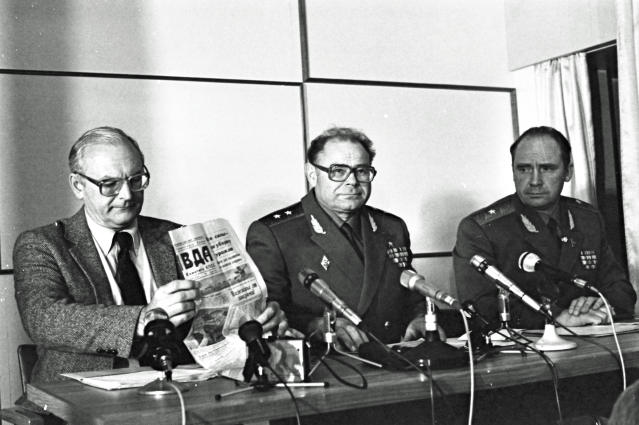
From left to right: Yuri Nazarkin (arms control negotiator, Foreign Ministry), Lt. Gen. Anatoly Kuntsevich, Maj. Gen. R.F. Razuvanov (commander of the Shikhany facility). © Hans de Vreij
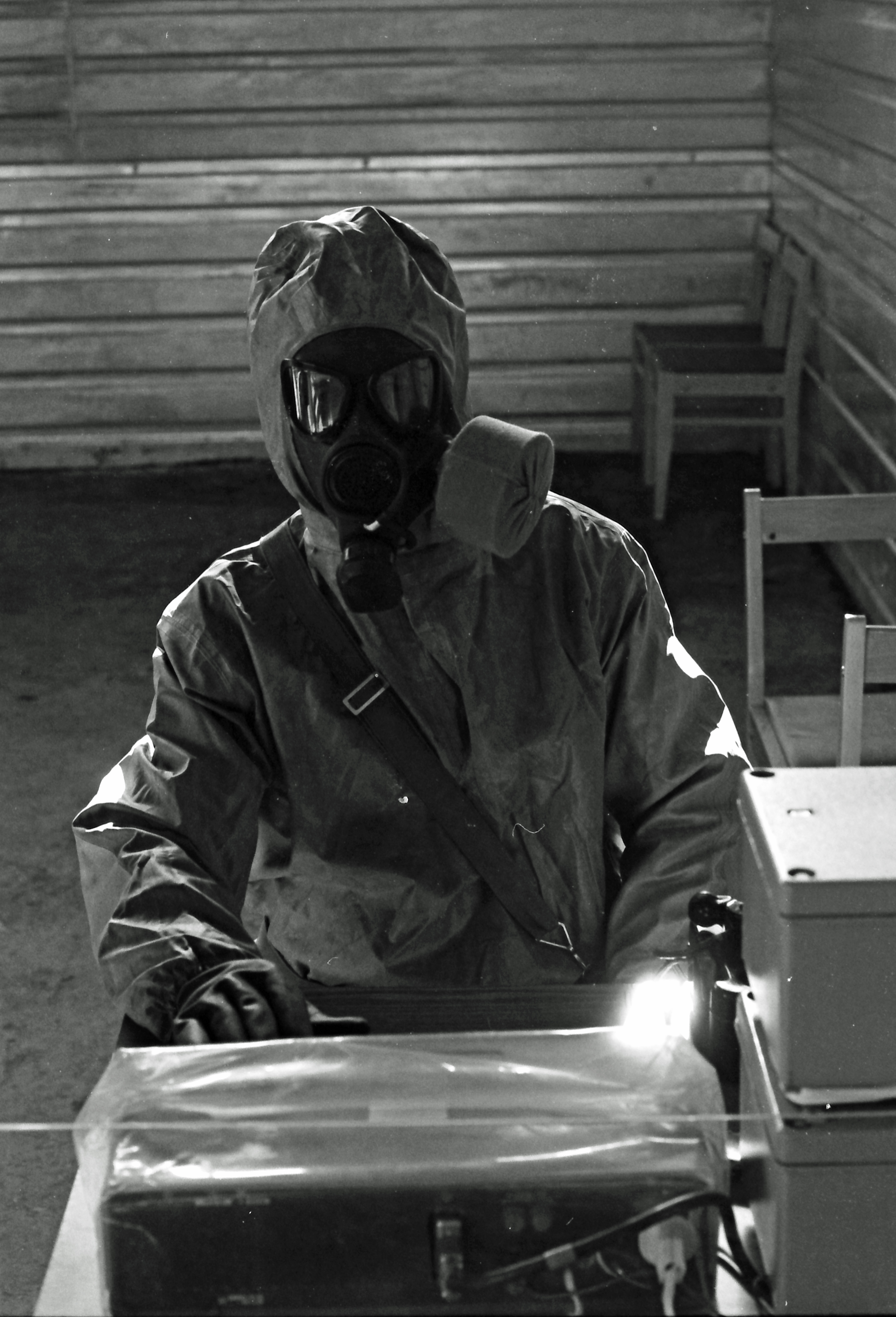 Shikhany 1987. Soldier of the Chemical Warfare Troops. © Hans de Vreij
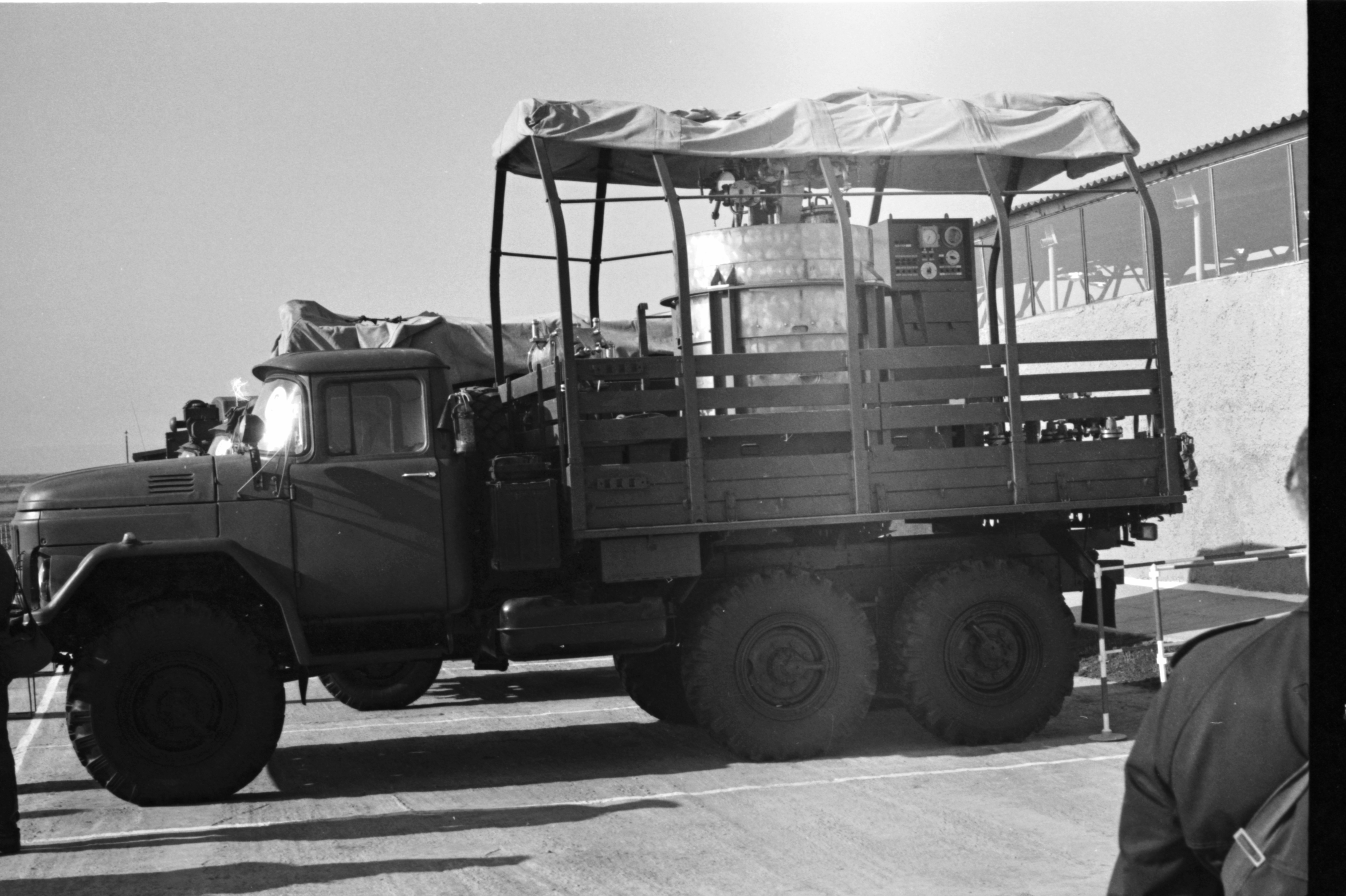 Shikhany 1987. Mobile unit for the destruction of chemical weapons ‘Neitral’. © Hans de Vreij
 Shikhany 1987. Mobile unit for the destruction of chemical weapons ‘Neitral’. Prior to neutralization of a free-fall bomb a rabbit was injected with the Sarin from the bomb to prove the experiment was real. It was . Picture MOD USSR


 Hans de Vreij's blog