Antwoord op Kamervragen over onderzoeken naar vlucht MH17

Antwoorden kamervragen van het lid Omtzigt (CDA) aan de ministers van Buitenlandse Zaken en van Veiligheid en Justitie over de onderzoeken naar de aanslag op de MH17 (ingezonden 7 oktober 2014, nr. 2014Z17455)

Vraag 1:
Wanneer ontvangt de Tweede Kamer een voortgangsrapportage over de onderzoeken naar de MH17?

Antwoord vraag 1:
De Onderzoeksraad voor Veiligheid heeft op 9 september jl. een rapport van eerste bevindingen (preliminary report) gepubliceerd. De OvV streeft ernaar om het eindrapport in juli 2015 op te leveren.
Verder is uw Kamer bij brief 9 oktober 2014 opnieuw geïnformeerd over de nasleep van de ramp met Malaysia Airlines vlucht MH17. Deze brief bevat tevens de meeste recente stand van zaken met betrekking tot de (voortgang van) het strafrechtelijk onderzoek.

Vraag 2:
Heeft u Oekraïne gevraagd om de overeenkomst tussen het Oekraïense National Bureau of Air Accident Investigation (NBAAI) en de Onderzoeksraad voor Veiligheid openbaar te maken en bent u bereid om deze overeenkomst onverwijld openbaar te maken?

Antwoord vraag 2:
De overeenkomst kan pas openbaar worden gemaakt als ook Oekraïne daarmee instemt. Het gesprek daarover tussen de OvV en Oekraine is nu gaande. Zodra en indien Oekraïne instemt met openbaar maken, zal de OvV de overeenkomst plaatsen op zijn website.

Vraag 3:
Heeft het Openbaar Ministerie de regering geïnformeerd en om toestemming gevraagd alvorens zij een geheime overeenkomst tekende met haar counterparts in Oekraïne, België, Australië en later Maleisië? Heeft de regering toestemming gegeven voor het ondertekenen van deze
overeenkomst?

Antwoord vraag 3:
De overeenkomst waaraan de vraagsteller refereert betreft een afspraak tot het oprichten van een gemeenschappelijk onderzoeksteam. Het OM is tot het instellen van een dergelijk JIT (Joint Investigation Team) bevoegd en maakt van deze  bevoegdheid met regelmaat gebruik in grensoverschrijdende strafrechtelijke  onderzoeken. De ondertekening van het JIT inzake het onderzoek naar de ramp  met vlucht MH17 vond plaats met medeweten en instemming van het kabinet.

Vraag :4
Wanneer is de overeenkomst getekend en wanneer en hoe werd hij  rechtsgeldig? Wat is de formele status van de overeenkomst?
Vraag :5
Wanneer trad Maleisië toe tot de overeenkomst en was dat op dezelfde voorwaarden?
Vraag 6:
Nu het bestaan van de overeenkomst publiek is, kunt u deze  overeenkomst publiek maken?
Vraag 7:
Klopt het dat de overeenkomst veto-rechten bevat voor landen? Zo ja,  welke?

Antwoord 4-7:
Een overeenkomst tot het instellen van een gemeenschappelijk onderzoeksteam  (een JIT) heeft betrekking op de wijze en intensiteit van samenwerking in een strafrechtelijk onderzoek. De overeenkomst is rechtsgeldig sinds deze op 7  augustus jl. werd ondertekend. Sinds 19 augustus is ook Maleisië aangesloten bij  het JIT. Binnen het JIT gelden voor alle landen voorwaarden met betrekking tot  de wijze waarop informatie wordt verzameld, gedeeld en gebruikt. Dergelijke  voorwaarden alsmede doelbinding zijn gebruikelijk bij internationale  strafrechtelijke samenwerking. Deze overeenkomst is niet openbaar, aangezien  het hier een document betreft met operationele werkafspraken in een lopend  strafrechtelijk onderzoek.

(ministerie van Veiligheid en Justitie, 13 oktober 2014)

Geplaatst in Flight MH17 | Tags: , , | Plaats een reactie

Flight MH17: Dutch Safety Board publishes July agreement with Ukraine

“On 23 July 2014 the Dutch Safety Board took charge of the international investigation into the cause of the crash of flight MH17. This was carried out at the request of Ukraine and in consultation with ICAO. Under Annex 13 to the Convention on International Civil Aviation the State where the aircraft accident occurred may delegate the investigation to another relevant State by mutual arrangement and consent. To this end agreements were set out in a Memorandum of Understanding between the two countries, and in an agreement* between the Ukrainian National Bureau of Incidents and Accidents Investigation of Civil Aircraft (NBAAII) and the Dutch Safety Board. In the Netherlands, the Dutch Safety Board is the designated independent organisation that conducts investigations into aircraft accidents and incidents.

Since 23 July the Dutch Safety Board has been leading an international team of aircraft accident investigators in which representatives from Malaysia, Ukraine, the Russian Federation, the United Kingdom, the United States of America, Australia and the Netherlands are represented. The Dutch Safety Board is acting in accordance with Annex 13 to the Convention, and as per Resolution 2166 of the UN Security Council which called for an independent, international investigation into the cause of the crash of flight MH17.

The Dutch Safety Board published its preliminary report on 9 September 2014. As a result of the preliminary report, ICAO expressed its full support to the international team of investigators pending the final report.

*In the version of this document for the website telephone numbers, fax numbers, e-mail addresses and the name of the co-ordinator primary investigation/technic (page 3 and 4) are not visible”

(Original text)

AGREEMENT BETWEEN

the National Bureau of Air Accident and Incidents Investigation with Civil Aircraft (NBAAII) of Ukraine

AND

the Dutch Safety Board of the Netherlands

on

DELEGATION OF INVESTIGATION IN RESPECT OF AIRCRAFT ACCIDENT INVOLVING BOEING 777-200, REGISTRATION: 9M-MRD “MALAYSIA AIRLINES”
FLIGHT MH17

1. INTRODUCTION
1.1 An accident has occurred in the territory of Ukraine on 17 July 2014 involving Malaysia Airlines Flight Ml-117.
1.2 The flight originated in the Netherlands and a large number of the deceased passengers were of Dutch nationality.
1.3 This Agreement expresses the delegation in whole of the investigation of the abovementioned accident by the National Bureau of Air Accidents and Incidents Investigation with Civil Aircraft (NBAA) of Ukraine to the Dutch Safety Board of the Netherlands, hereinafter referred to as the Parties to this agreement. The Dutch Safety Board of the Netherlands is expected to be responsible for the conduct of the investigation, including issuance of the Final Report and the ADREP reporting.
1.4 It is recognized that both Ukraine, and the Netherlands, are parties to the Convention on International Civil Aviation (The Chicago Convention) and that they are therefore bound by the Standards contained in Annex 13 — Aircraft Accident and Incident Investigation to the Chicago Convention (hereinafter referred as Annex 13) concerning accident and serious incident investigation.

Note:  Both States shall advise each other of their respective existing differences that have been filed or that will be filed against the Standards of Annex 13.

1.5. The Parties recognize that the investigation is conducted under factual circumstances which does not allow Ukrainian authorities to exercise effective control over the territory of crash side, including wreckages and flight recorders.
1.6 Both parties to this agreement are authorized by their respective Governments to act as the national authority in respect of aircraft accident and serious incident investigation matters.
1.7 This Agreement is in accordance with Annex 13, Standard 5.1, which states “The State of Occurrence shall institute an investigation into the circumstances of the accident and be responsible for the conduct of the investigation, but it may delegate the whole or any part of the conducting of such investigation to another State or a regional accident investigation organization by mutual arrangement and consent. In any event, the State of Occurrence shall use every means to facilitate the investigation.”
1.8 In accordance with Annex 13, Standard 5.18, the State of Registry, the State of the Operator, the State of Design and the State of Manufacture shall each be entitled to appoint an accredited representative to participate in the investigation. Additionally, in according to Annex 13, Standard 5.23, any State which on request provides information, facilities or experts to the State conducting the investigation shall be entitled to appoint an accredited representative to participate in the investigation.
1.9. The Parties agreed that accredited representative of Ukraine, Ukrainian advisors and experts shall be entitled to participate in investigation.
1.10. The Parties agree that the procedures for the transfer of this accident victims’ corps and remains shall be subject for separate arrangements.

2. TERMINOLOGY
2.1 The definitions used in this document have the same meaning as that ascribed to them in Annex 13 — Aircraft Accident and Incident Investigation.

3. THE PURPOSE OF INVESTIGATION
3.1 The purpose of investigating accidents or incidents in accordance with Annex 13 is the prevention of accidents and incidents. It is not the purpose of such an investigation to apportion blame or liability.

4. CODE OF CONDUCT
4.1 This Agreement serves to foster cooperation and mutual assistance between the parties in implementing the provisions of Annex 13. Each party shall strive to overcome difficulties that may arise due to differences in languages, national cultures, legislative systems or geographic locations.

5. DELEGATION OF INVESTIGATION BY THE STATE OF OCCuRRENCE
5.1 The two parties agree to work together to ensure that a competent investigation is conducted in accordance with the procedures and intent of Annex 13.
5.2 The Parties shall exchange with information necessary for the purposes of this accident
investigation. In accordance with the relevant laws of the respective States, any such information provided should be treated with at least the same rules with respect to confidentiality as those to which the providing party is bound.

6. ROLE OF ICAO
6.1 The Parties acknowledge that the International Civil Aviation Organization (ICAO) assists in the conduct of the investigation and that flight recorders shall remain under the control of ICAO.

7. COORDINATION
7.1 The contact person in National Bureau of Air Accidents and Incidents Investigation with Civil Aircraft (NBAA) of Ukraine for the implementation of this agreement is:

Mr. Oleg Babenko (Name)
Director (Title)
National Bureau of Air Accidents and Incidents Investigation with Civil Aircraft (Agency/Authority)
Peremohy av., 14, Kyiv, 01 135, Ukraine (Address)
Tel.:
Fax:
E-mail:

7.2 The contact person in Dutch Safety Board of the Netherlands for the implementation of this agreement is:

Mrs. lep Visser, LLM (Name)
General Secretary (Title)
Anna van Saksenlaan 50, 2593 HT The Hague, Netherlands,

Co-ordinator primary investigation/technic (Title)
Anna van Saksenlaan 50, 2593 HT The Hague, Netherlands (Address)
Tel.:
Fax:

8. ENTRY INTO FORCE AND TERMINATION
8.1 This Agreement will come into effect on the date of signature.
8.2 The Agreement may be terminated by mutual consent of the Parties.

DONE at Kyiv, the 23nd day of July, 2014, in duplicate, in the English and Ukrainian languages, both texts being equally authentic.

For National Bureau of Air Accidents and Incidents Investigation with Civil Aircraft
Oleg Babenko

For Dutch Safety Board
lep Visser
Director
General Secretary

(Original version)

Geplaatst in Flight MH17 | Tags: , , , | Plaats een reactie

Flight MH17 at center stage in Dutch PM’s UNGA speech

(Speech by Dutch Prime Minister Mark Rutte to the General Assembly of the United Nations, 25 September 2014)

Mr President,
Mr Secretary-General,
Excellencies,
fellow delegates,
ladies and gentlemen,

On 17 July, in a summer already marked by alarming reports from Syria, Iraq and Gaza, our country was confronted with stark international reality. The 298 passengers of flight MH17 would be alive today if not for the Crimea conflict and the destabilisation of eastern Ukraine. 196 of the victims were Dutch nationals. This tragedy has had an enormous impact on our country. So many innocent men, women and children. Entire families ripped from neighbourhoods, empty desks in offices and schools, teammates gone forever. Everyone in the Netherlands knew someone in that plane, directly or indirectly, and we will feel the pain for years to come. Some of the victims still haven’t been identified, and this must be done as soon as possible. Nothing is more important to their loved ones, wherever in the world they may be.

This summer we were reminded again of how closely interwoven events at home and abroad can be. And how important a stable world order is to our national interests. We saw again that when it comes to addressing the major problems facing the global community, there is simply no alternative to working together and taking a multilateral approach. This is the firm conviction of the Dutch government. We are grateful for the wide support for Security Council resolution 2166. All remains and personal belongings need to be repatriated. The cause of the MH17 disaster must be brought to light and those responsible must be brought to justice. Unhindered access to the crash site is therefore essential. The Dutch government is fully committed to achieving these goals, working with all the countries and organisations involved.

The Constitution of the Kingdom of the Netherlands contains a unique article that says: ‘The Government shall promote the development of the international legal order’. This self-imposed responsibility comes from a long tradition of freedom, respect for the rule of law and our country’s international orientation. In March 2014 we put this principle into practice once again when we hosted the Nuclear Security Summit, a conference on an important topic that must remain high on the international agenda. The events of this summer have made us even more resolute about promoting the international legal order. And about working to this end with everyone in this General Assembly, in the knowledge that peace, justice and development are closely interconnected.

2015 is an important year for the global development agenda. We will be reviewing the Millennium Development Goals and raising the bar once again. In July the Open Working Group on Sustainable Development Goals laid a solid foundation for the future that reflects the Netherlands’ priorities. The most important goal is to eradicate extreme poverty within a generation in a way that doesn’t harm economic growth, social equality or the environment. We must link short-term goals with long-term goals.

And despite the progress made, we know that fragile states, where the rule of law barely exists, had no chance of achieving the Millennium Goals. In 2013 there were more displaced people in conflict regions than ever before. For these reasons the Netherlands applauds the Open Working Group’s intention to include peace and the rule of law in the new framework. We welcome the initiative by the SG to establish the UN mission for ebola emergency response. The Netherlands will substantially increase its humanitarian aid. Part of that effort is a new contribution of 18 mln euros devoted to fighting ebola.

In the same vein, the Netherlands will continue to support and participate in UN peacekeeping missions. We currently have military personnel and relief workers serving in Mali, South Sudan and elsewhere. The upcoming review of peacekeeping missions is an opportunity to improve this instrument and make it more effective. The Netherlands believes that major progress can be made on this front by further integrating the three Ds: defence, development and diplomacy. Our commitment to fulfilling Security Council resolution 1325 remains firm too. Because women’s leadership is essential to achieving peace and security. The important role that women play as change agents in politics, economic development and society cannot be emphasised enough. As host country to many international legal institutions, including the International Court of Justice and the International Criminal Court, the Netherlands feels a special responsibility with respect to international law. When innocent people fall victim to impunity, human rights violations and the violence of war, the international community cannot and should not just stand by and watch. Perpetrators must be brought to justice, however complex and time-consuming the process may be.

We owe this not only to the passengers of flight MH17, but also to the victims of violence in Syria and Iraq. The horrifying images of mass executions and beheadings in the region are burned into our memories. They impress upon us how important it is for the Security Council and international legal institutions to be able to act boldly and decisively.

The Kingdom of the Netherlands, your partner for peace, justice and development, is a candidate for a non-permanent seat on the Security Council in 2017 and 2018. We want to help modernise and strengthen this important UN body. Renewal is needed to ensure its effectiveness and legitimacy. The Security Council must be able to act in a crisis. When mass atrocities are being committed somewhere in the world, veto power should be exercised with greater restraint. We salute the French initiative in this regard. We also believe that the Security Council’s authority and resolve would be enhanced if the UN member states were more broadly represented. This is especially true of the African states, which in our opinion are underrepresented.

Ladies and gentlemen,
Dag Hammarskjöld once said in this assembly that the principles of the Charter of the United Nations ‘[…] are, by far, greater than the Organization in which they are embodied, and the aims which they are to safeguard are holier than the policies of any single nation or people.’

The Netherlands shares this conviction and remains steadfast in its commitment to promoting the international legal order, as our Constitution demands.

Thank you.

(source)

Geplaatst in Flight MH17, Verenigde Naties | Tags: , | Plaats een reactie

Fake: ‘Russische militair suggereert deelname aan neerschieten MH17’

Update 24/9: het bericht van “een Russische militair” blijkt fake te zijn. Het gaat om een actie van Russen tegen Oekraïense media die al te makkelijk leugens zouden publiceren. Zie details onderaan deze pagina. Ik laat het origineel maar staan, ter lering en vermaak…

[Dit bericht zal verder worden ge-update naarmate er meer gegevens beschikbaar zijn,  HdV]

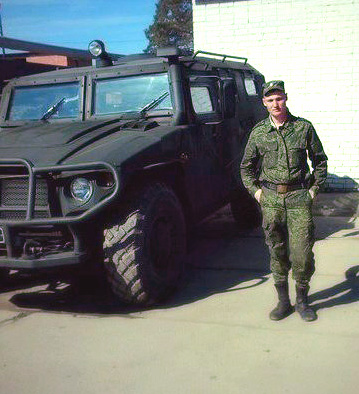
Iemand die zich uitgeeft voor een Russische militair heeft deze week op internet de suggestie gewekt dat hij heeft deelgenomen aan het neerschieten van Malaysian Airlines vlucht MH17. Het gaat om ene Vadim Khoma uit de stad Pskov, die zijn bewering maandag deed op VK (VKontakte), een Russische tegenhanger van Facebook.

Hij schrijft onder andere: “вспоминаю , как сидел ЗА ТЕМ БУКом , тогда не было такого напряжения. Когда спросили “жалко тех людей , кто там был?” ответил “все умрем когда нибудь” и это правда. зато у них были похороны приличные , в отличие от тех , кто гибнет ежедневно. нет , не жалко. и всем , кто был в команде – не жалко. Так надо было..

[Ruwe vertaling: ik herinner me hoe ik OP DIE BUK zat,  toen er niet zo’n spanning was . Toen ze vroegen “heb je geen medelijden met de mensen die daar waren” zei ik: “we sterven allemaal op een dag” en dat is ook zo.  Bovendien kregen zij een prima begrafenis, wat niet zo is voor de mensen die dagelijks omkomen. Nee, ik heb geen medelijden. Ook niet met hen die deel uitmaakten van het team. Het moest zo zijn…”]

MH17 Vadim Khoma

Vadim Khoma

Vadim Khoma

De plaats Pskov is interessant omdat van hieruit militairen van de 76ste Garde Luchtmobiele Divisie (Air Assault Division) naar Oekraïne zijn getrokken om daar aan de kant van de separatisten mee te vechten. Mij is onbekend of deze eenheid standaard ook het SA-11 Buk luchtverdedigingssysteem in zijn wapenarsenaal heeft.

Meer informatie over deze divisie: 76th Guards Air Assault Division.
Een van de eenheden in deze divisie is het 4e Regiment Luchtverdediging (4th Air Defense Regiment).

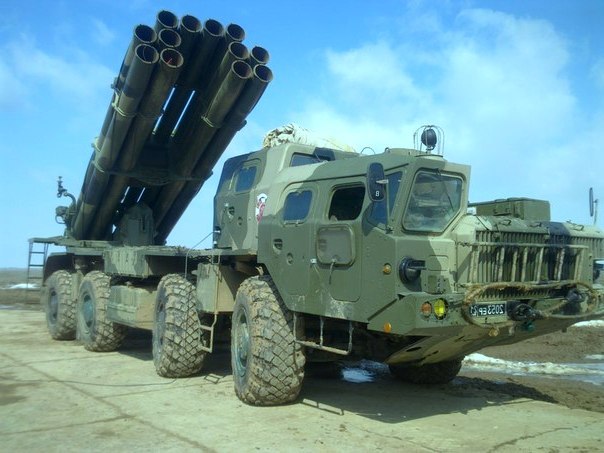
Overigens bewijst de pagina op VKontakte nog niet de identiteit van deze Vadim Khoma. Op de foto’s die hij heeft geplaatst komt géén Buk luchtdoelsysteem voor, wel een Smerch raketwerper en (de wielen van) een BTR pantservoertuig. Echt verdacht is de URL van zijn pagina: http://vk.com/dmirsaev – dat zou meer duiden op ene Dmitri Mirsaev…

Khoma heeft de meeste foto’s wel voorzien van een nadere locatiebepaling in Oekraïne. Dat betreft de volgende ‘raions’: Lutuhynskyi raion, Shakhtarskyi raion, Stanychno-Luhanskyi raion en het Sverdlovskyi raion.

Op zijn pagina betuigt hij ook steun aan de strijders in Oekraïne. Hij schrijft dan: Даже не смотря на то , что у нас была разная вера , вы всегда были моими братьями , ребята с Кавказа , Псков , Омск спите все спокойно. [Zelfs afgezien van het feit dat we een verschillend geloof hadden, waren jullie altijd mijn broeders, kerels uit de Kaukasus, Pskov, Omsk, slaapt allen rustig]

smerch

Smerch

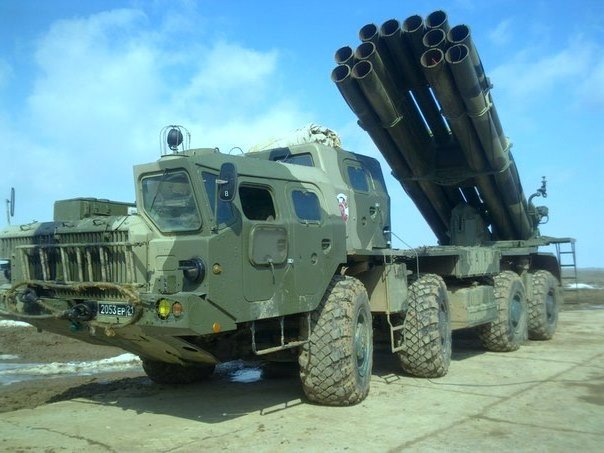
UPDATE 24/9: Een oplettende tweep (@christogrozev) is opgevallen dat bovenstaande foto van een ‘Smerch’ raketwerper op de VK-pagina van Vadim Khoma gespiegeld is, mogelijk om nader onderzoek te bemoeilijken. Daar valt iets aan te doen: terugspiegelen…

smerch
Nu kan men zoeken of deze foto wellicht eerder ergens anders is gepubliceerd.  Helaas, noch bij Google, noch bij de fotosite TinEye is er een spoor van te vinden.  Wel is nu het kenteken deels leesbaar:

kenteken

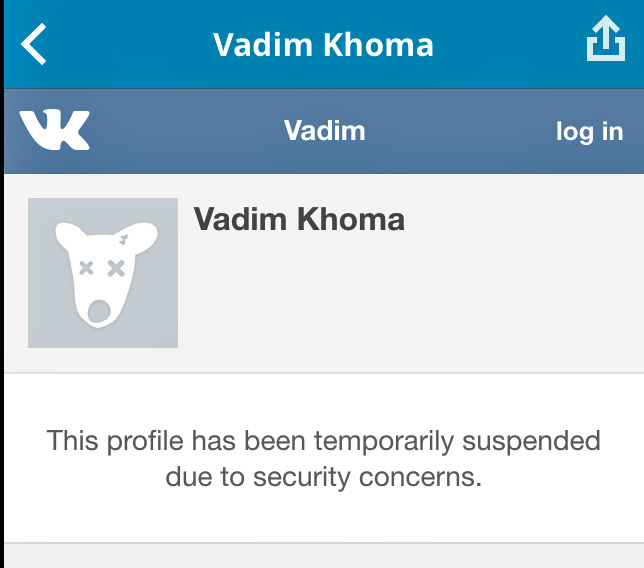
Update 24/9 (2): Het account van Vadim Khoma op Vkontakte is uit de lucht. “Tijdelijk opgeheven om redenen van veiligheid.” Hm.

VK

Update 24/9 (3) Het geheel is fake, zeggen Russische internetgebruikers op de website ПриветОбаме (gegroet, Obama). Deze bewering is onderbouwd aan de hand van de foto’s (die opzettelijk blijken te zijn gespiegeld etc. om een ‘reverse image search’ te bemoeilijken). Doel van de actie was “te laten zien hoe makkelijk Oekraïense media leugens publiceren”.  Het vervalste bericht is ‘geplugd’ bij censor.net.ua , sprotyv.info , 24ukrnews.com , antikor.com.ua ,obozrevatel.com , uainfo.org , news.pn , iPress.ua “en veel andere sites”.
Verdere details (in het Russisch): http://vk.com/privetobame

Geplaatst in Flight MH17 | Tags: , , | Plaats een reactie

MH17: speech at the UN Security Council by FM Frans Timmermans

STATEMENT BY H.E. Frans Timmermans

New York, 19 September 2014

STATEMENT BY H.E. Frans Timmermans, Minister of Foreign Affairs of the Kingdom of the Netherlands to United Nations Security Council on Ukraine and MH17.

Madam President,

On 17 July, the downing of flight MH17 caused the death of 298 innocent people. Their lives ended abruptly in midair above Ukrainian territory. 298 innocent people from e countries and four continents. Our thoughts and prayers are with those who lost their loved ones.

Four days later, I had the honor to address this Council. That day, the Council unanimously adopted resolution 2166. We remain grateful for that. And we appreciate today’s opportunity to brief the Council on where we are two months and two days after this unspeakable tragedy.

We remain fully committed to completing the repatriation of human remains and personal belongings and to facilitating the investigation into the cause of the crash. We will continue to devote ourselves to ensuring justice for the victims and their loved ones. We will not rest until those responsible for this heinous crime are held accountable.

Let me recall here paragraph three of the Memorandum of Understanding between the Netherlands and Ukraine in which we agree that “The Netherlands will coordinate the investigation into the circumstances of the accident and will be responsible for the conduct of the investigation in line with the provisions of Chapter 5 of Annex 13 to the Chicago Convention. The Netherlands will ensure the participation of other parties concerned, in particular Ukraine as the State of Occurrence, Malaysia as the State of Registry, the United States of America as State of Manufacture and the International Civil Aviation Organization (ICAO). The Netherlands will communicate the report and findings to the concerned states. Ukraine will use every means available to facilitate the investigation”.

I want to thank the countries that have actively supported the implementation of resolution 2166. It has been a privilege working with you. We are particularly appreciative of the OSCE’s tireless efforts on the ground.

We have tremendous respect for the work done by the rescue workers. Initially by people from Ukraine. Later by a joint team of Malaysian, Australian and Dutch forensic experts.

Regrettably, rescue and investigation operations at the crash site had to be suspended on 6 August because of the deteriorating security situation. We are determined to finish this work as soon as the security situation allows us to do so. I urge all relevant parties to ensure immediate and safe access to the site. We count on all of you to make full implementation of resolution 2166 possible.

For the Netherlands, the first priority is to bring home the remains of the victims and their personal belongings. At present, 225 of the 298 victims have been identified in the ongoing identification process. This excruciatingly difficult work is being carried out by experts from eleven different countries. They deserve our deepest respect.

Most of the remains have been recovered, but we have the duty to make sure that all remains and belongings are brought home. We will continue to cooperate intensively with all countries and international organizations involved to make this happen.

As stipulated in resolution 2166, a thorough investigation into the cause of the crash is underway. In accordance with the agreement signed with Ukraine, the independent Dutch Safety Board has assumed the lead in this investigation, in close cooperation with other countries involved as well as with the UN and ICAO. It has set up the investigation in full accordance with international law and regulations, in particular ICAO agreement annex 13 which prescribes rules that need to be followed.

In accordance with these requirements the following countries have contributed to the international investigation team: Australia, France, Germany, Indonesia, Italy, Malaysia, Russia, Ukraine, the United Kingdom and the United States. ICAO and the European Aviation Safety Agency (EASA) have also contributed to the investigation.

The Safety Board is committed to transparency and will take all relevant information into account.
I want to underline the independent nature of the Board. Neither the Dutch government nor any other government has any control over or influence on its work and its conclusions and recommendations.

My government is committed to the truth and nothing but the truth. The full independence of the Safety Board is the best way to ensure this.

According to paragraph 7.1 of ICAO Annex 13, a preliminary report was presented by the Safety Board on 9 September. This preliminary report provides an overview of the initial, provisional facts. The report has been sent to ICAO for consideration. ICAO president Aliu remarked that ICAO is encouraged to see that the MH17 investigation is proceeding with the productive collaboration of accredited international representatives. ICAO will continue to provide its full support to the Netherlands, in conjunction with its international team, while it awaits the conclusions and recommendations which will be contained in the accident’s Final Report.

For the final report, also required by ICAO Annex 13, further consideration of available data, including those deduced from remains of the victims, is needed.

As the preliminary report states, even though additional investigation at the crash site itself would be preferable, it is possible to conduct an effective investigation based on other available sources and to produce a final report. The final report is expected to be published next summer.

The Netherlands remains fully committed to bring those responsible for this heinous act to justice. The Netherlands Public Prosecution Service has started the largest criminal investigation in Dutch history.

The Public Prosecution Service has set up close cooperation with national investigation and prosecution authorities of all other countries affected by this tragedy. We all share the same goal: those responsible, need to be brought to justice.

My government has been informed by the Public Prosecution Services that the investigation is complex, but that progress is being made.

For all three dimensions of the crash of MH17: recovery, investigation and accountability, it remains of utmost importance to gain safe access to the site as soon as possible.

We have deployed personnel in Ukraine, so they can move to the crash site as soon as the security situation is stable enough. Therefore we call on all parties once again to respect the ceasefire and refrain from any action that might provoke further violence.

We are conscious of the responsibility we have taken upon ourselves. We will do whatever is needed to live up to this responsibility.

Madam President,

Let me conclude with the same words I used last time I addressed this Council:

“My country will not rest until all facts are known and justice is served.”

Source

Geplaatst in Uncategorized | Tags: , , , , | Plaats een reactie

Preliminary report points towards external cause of MH17 crash

No evidence of technical faults

Flight MH17 with a Boeing 777-200 operated by Malaysia Airlines broke up in the air probably as the result of structural damage caused by a large number of high-energy objects that penetrated the aircraft from outside. This is mentioned in the preliminary report on the investigation into the crash of MH17 that has been published today by the Dutch Safety Board. There are no indications that the MH17 crash was caused by a technical fault or by actions of the crew.

The cockpit voice recorder, the flight data recorder and data from air traffic control all suggest that flight MH17 proceeded as normal until 13:20:03 (UTC), after which it ended abruptly. A full listening of the communications among the crew members in the cockpit recorded on the cockpit voice recorder revealed no signs of any technical faults or an emergency situation. Neither were any warning tones heard in the cockpit that might have pointed to technical problems. The flight data recorder registered no aircraft system warnings, and aircraft engine parameters were consistent with normal operation during the flight. The radio communications with Ukrainian air traffic control confirm that no emergency call was made by the cockpit crew. The final calls by Ukrainian air traffic control made between 13.20:00 and 13.22:02 (UTC) remained unanswered.

The pattern of wreckage on the ground suggests that the aircraft split into pieces during flight (an in-flight break up). Based on the available maintenance history the airplane was airworthy when it took off from Amsterdam and there were no known technical problems. The aircraft was manned by a qualified and experienced crew.

Pattern of damage
As yet it has not been possible to conduct a detailed study of the wreckage. However, the available images show that the pieces of wreckage were pierced in numerous places. The pattern of damage to the aircraft fuselage and the cockpit is consistent with that which may be expected from a large number of high-energy objects that penetrated the aircraft from outside. It’s likely that this damage resulted in a loss of structural integrity of the aircraft, leading to an in-flight break up. This also explains the abrupt end to the data registration on the recorders, the simultaneous loss of contact with air traffic control and the aircraft’s disappearance from radar.

Further investigation
In its preliminary report, the Safety Board presents the initial findings of an investigation that is still fully underway. More research will be necessary to determine more precisely what caused the crash and how the airplane disintegrated. The Board believes that additional evidence will become available in the period ahead. From this point on, the research team will start working towards producing the definitive investigation report. The Board aims to publish the report within one year of the date of the crash.

Procedure
The draft preliminary report has been sent to the Accredited Representative of the states that participate in the investigation (Malaysia, Ukraine, the Russian Federation, the United Kingdom, the United States of America and Australia) for review. All Accredited Representatives have sent a reaction. The Dutch Safety Board assessed the provided suggestions and amended the report where appropriate.

Tjibbe Joustra, Chairman of the Dutch Safety Board: “The MH17 crash has shocked the world and raised many questions. The Dutch Safety Board wishes to determine the cause of the crash, for the sake of the loved ones of the victims and for society at large.”

“The initial results of the investigation point towards an external cause of the MH17 crash. More research will be necessary to determine the cause with greater precision. The Safety Board believes that additional evidence will become available for investigation in the period ahead.”

“The preliminary report issues the first findings in a ongoing investigation. From this point on, the investigation team will be working towards producing its final report. The Board aims to publish this report within one year of the date of the crash.”

(Dutch Safety Board, 9 september 2014) 

Geplaatst in Uncategorized | Tags: , , , | Plaats een reactie

Rapport van eerste bevindingen wijst op externe oorzaak crash MH17

Geen indicatie van technische mankementen

De Boeing 777-200 van Malaysia Airlines is tijdens vlucht MH17 in stukken gebroken, vermoedelijk als gevolg van structurele schade aan het toestel veroorzaakt door een groot aantal objecten dat met hoge snelheid het toestel heeft doorboord. Dat staat in het rapport van eerste bevindingen van het onderzoek naar de crash van vlucht MH17 dat de Onderzoeksraad voor Veiligheid vandaag heeft gepubliceerd.  Er zijn geen aanwijzingen gevonden dat de crash met vlucht MH17 is veroorzaakt door een technisch mankement of door handelingen van de bemanning.

De Cockpit Voice Recorder, de Flight Data Recorder van het vliegtuig en de gegevens van de luchtverkeersleiding wijzen allemaal uit dat vlucht MH17 tot 13.20:03 uur (UTC) normaal verliep en vervolgens abrupt eindigde. Bij het uitluisteren van de Cockpit Voice Recorder is in de communicatie tussen de bemanningsleden in de cockpit geen aanwijzing gevonden dat er sprake was van een mankement of noodsituatie. Ook zijn geen waarschuwingstonen in de cockpit gehoord die zouden kunnen wijzen op technische problemen. De Flight Data Recorder heeft geen waarschuwingen van de vliegtuigsystemen geregistreerd en parameters voor de vliegtuigmotoren waren normaal. De radiocommunicatie met de Oekraïense luchtverkeersleiding bevestigt dat er geen noodoproep is gedaan door de cockpitbemanning. De laatste oproepen van de Oekraïense luchtverkeersleiding tussen 13.20:00 uur (UTC) en 13.22:02 (UTC) bleven onbeantwoord.

Het verspreidingspatroon van de wrakstukken wijst erop dat het vliegtuig tijdens de vlucht in stukken is gebroken (in-flight break up). Volgens de beschikbare onderhoudsdocumenten was het vliegtuig bij vertrek uit Amsterdam luchtwaardig, er waren geen technische storingen bekend. Het vliegtuig werd bestuurd door een gekwalificeerde en ervaren bemanning.

Schadepatroon
Het is tot op heden niet mogelijk geweest uitgebreid onderzoek te doen aan de wrakstukken. Op het beschikbare beeldmateriaal is echter te zien dat de wrakstukken op veel plaatsen zijn doorboord. Het schadepatroon in de vliegtuigromp en de cockpit komt overeen met de schade die verwacht mag worden van een groot aantal objecten dat met hoge snelheid het vliegtuig van buitenaf doorboort. Vermoedelijk heeft dit dermate veel schade aan het vliegtuig toegebracht dat het leidde tot het in stukken breken van het vliegtuig. Dit verklaart dan ook het abrupte einde van de gegevensregistratie op beide recorders, het gelijktijdige verlies van contact met de luchtverkeersleiding en het verdwijnen van het vliegtuig van de radar.

Verder onderzoek
In het rapport van eerste bevindingen geeft de Onderzoeksraad de eerste resultaten uit het onderzoek dat in volle gang is. Om preciezer vast te stellen wat de crash heeft veroorzaakt, en hoe het vliegtuig is gedesintegreerd zal meer onderzoek verricht moeten worden. De Raad verwacht dat daarvoor in de komende periode aanvullend onderzoeksmateriaal beschikbaar komt. Het onderzoeksteam zal vanaf dit moment gaan toewerken naar het definitieve onderzoeksrapport. De Raad streeft ernaar dit rapport binnen een jaar te kunnen publiceren.

Procedure
Het concept van het rapport van eerste bevindingen is voor commentaar voorgelegd aan de vertegenwoordigers van de landen die deelnemen aan het onderzoek (Maleisië, Oekraïne, de Russische Federatie, het Verenigd Koninkrijk, de Verenigde Staten en Australië). Alle vertegenwoordigers hebben afgelopen week hun reactie op het conceptrapport gestuurd. De Onderzoeksraad voor Veiligheid heeft de suggesties beoordeeld en het rapport aangepast waar dat naar het oordeel van de Raad terecht was.

Voorzitter Tjibbe Joustra van de Onderzoeksraad voor Veiligheid
“De crash met vlucht MH17 betekende een grote schok voor de samenleving en heeft veel vragen opgeroepen. De Onderzoeksraad voor Veiligheid wil voor de nabestaanden en de samenleving zo goed mogelijk vaststellen wat de oorzaak van de crash is geweest.”

“De eerste resultaten van het onderzoek wijzen op een externe oorzaak van de crash met vlucht MH17. Om preciezer vast te stellen wat de oorzaak is geweest, moet meer onderzoek verricht worden. De Raad verwacht dat in de komende periode aanvullend onderzoeksmateriaal beschikbaar komt.”

“In het rapport van eerste bevindingen geeft de Onderzoeksraad de eerste resultaten uit het onderzoek dat in volle gang is. Het onderzoeksteam zal vanaf dit moment gaan toewerken naar het definitieve onderzoeksrapport. De Raad streeft ernaar dit rapport binnen een jaar te kunnen publiceren.“

Volledig rapport: klik hier

Geplaatst in Uncategorized | Tags: , , , , , | Plaats een reactie

NATO briefing on military developments in Ukraine

Briefing on Ukraine by Dutch Brigadier General Nico Tak, director of NATO’s Comprehensive Crisis and Operations Management Centre. Allied Command Operations (Mons), 28 August 2014. Source: NATO Channel

Geplaatst in Ukraine | Plaats een reactie

Vragen en antwoorden over het onderzoek naar het neerstorten van vlucht MH17

1. Waarom is onderzoek nodig?
Wanneer een vliegtuigongeluk plaatsvindt, is het van groot belang om door het doen van onderzoek een helder beeld te krijgen van de oorzaak. Hierdoor kunnen nabestaanden, andere betrokkenen en de (internationale) samenleving op basis van feiten te weten komen wat er gebeurd is. Daarnaast kan onderzoek bijdragen aan de veiligheid in de (burger)luchtvaart: waar nodig en relevant worden aanbevelingen gedaan om herhaling in de toekomst te voorkomen.

De Onderzoeksraad vindt het van groot belang dat het neerstorten van vlucht MH17 breed en diepgaand wordt onderzocht. Daarom wordt naast het (internationaal) onderzoek naar de oorzaak van de crash ook de besluitvorming rondom vliegroutes en de beschikbaarheid van passagierslijsten onderzocht.

2. Waarom heeft de Onderzoeksraad voor Veiligheid de leiding over het onderzoek?
Oekraïne heeft de leiding over het onderzoek naar de oorzaak van de crash overgedragen aan de Onderzoeksraad voor Veiligheid. Dit is gebeurd op verzoek van Oekraïne.

De redenen van het verzoek zijn dat de vlucht uit Nederland is vertrokken en het grote aantal Nederlandse slachtoffers. De overdracht is op woensdag 23 juli formeel vastgelegd in een overeenkomst.

3. Welke landen zijn betrokken bij het onderzoek en waarom?
Vanuit ICAO (de internationale VN organisatie voor burgerluchtvaart) is bepaald dat het land waar een vliegtuigongeval plaatsvindt , de taak heeft om de oorzaak van het ongeval te onderzoeken. Direct na de crash van vlucht MH17 zijn luchtvaartonderzoekers van Oekraïne gestart met het onderzoek naar de oorzaak. Nederland heeft als betrokken land kort na de crash een officiële melding gekregen van de onderzoekers over het neerstorten van vlucht MH17, met daarbij de uitnodiging om aan het onderzoek deel te nemen.

Op basis van het ICAO-verdrag moeten bepaalde landen betrokken worden bij het onderzoek. Het land waar het voorval zich heeft voorgedaan heeft in beginsel de leiding over het onderzoek. De mogelijkheid bestaat om de leiding over het onderzoek over te dragen aan een ander land. De landen waar de operator vandaan komt, waar het vliegtuig ontworpen is en waar het vliegtuig gemaakt is hebben ook het recht om deel te nemen aan het onderzoek. Landen die specifieke informatie of experts kunnen leveren, kunnen deelnemen op uitnodiging van de partij die de leiding heeft over het onderzoek. Landen die slachtoffers te betreuren hebben, hebben tevens recht op een rol in het onderzoek maar hebben beperkte rechten.

In het geval van het onderzoek naar het neerstorten van vlucht MH17 hebben veel landen spontaan hun hulp aangeboden. In sommige gevallen is die hulp aangenomen omdat de onderzoekers specifieke kennis, informatie of expertise konden bieden.

In het internationaal onderzoeksteam naar het neerstorten van vlucht MH17 hebben de volgende landen (in meer of mindere mate) een bijdrage geleverd aan het onderzoek: Oekraïne, Maleisië, Australië, Rusland, Verenigd Koninkrijk, Verenigde Staten, Duitsland, Frankrijk, Italië, Indonesië. Daarnaast hebben de organisaties ICAO en het Europese Agentschap voor de veiligheid van de luchtvaart (EASA) bijgedragen aan het onderzoek. De leiding van het onderzoek ligt bij de (Nederlandse) Onderzoeksraad voor Veiligheid, die zowel het preliminary report (voorlopig rapport) als het eindrapport zal publiceren. De landen die vanuit het ICAO-verdrag formeel een rol hebben als deelnemer aan het onderzoek, krijgen inzage in de conceptrapportages en mogen daarop reageren. Het staat de partij die de leiding heeft over het onderzoek vrij om ook andere landen inzage te verlenen op het conceptrapport.

4. Kan er goed onderzoek gedaan worden als er geen onderzoekers op de rampplek zelf aanwezig zijn geweest?
Het heeft de voorkeur om ook onderzoek te doen op de crashsite zelf, maar het is niet onmogelijk om op basis van andere bronnen een goed onderzoek te doen en tot een definitief rapport te komen. Overigens, de dagen na het voorval (toen het onderzoek nog onder leiding van Oekraïne stond) zijn enkele luchtvaartonderzoekers van Oekraïne een aantal keer kort op de rampplek geweest voor onderzoek.

Als een veilige en stabiele situatie op de crashsite is bereikt, zal de Onderzoeksraad de crashsite alsnog bezoeken. Dit om onderzoeksresultaten op basis van andere bronnen te verifiëren en heel gericht te zoeken naar bepaalde brokstukken of ander materiaal.

5. Waarom is de Onderzoeksraad nog niet op de crashsite geweest?
De Onderzoeksraad voor Veiligheid is nog niet op de rampplek geweest omdat de veiligheid van de onderzoekers niet geborgd kon worden. De Nederlandse overheid heeft ingeschat dat onderzoekers naar de oorzaak van de crash grotere veiligheidsrisico’s lopen dan forensisch onderzoekers, nabestaanden of journalisten. Hierbij is ook rekening gehouden met de veiligheid van eventuele andere aanwezigen op de rampplek: de aanwezigheid van onderzoekers van de Onderzoeksraad mag anderen niet in gevaar brengen.

Daarnaast had het bergen van slachtoffers en het zoeken naar persoonlijke eigendommen de absolute prioriteit. Er waren slechts beperkte mogelijkheden om ter plaatse te gaan en de forensisch onderzoekers (en ondersteunende marechaussees) kregen hierbij voorrang.

6. Wat is een preliminary report (voorlopig rapport)?
Het zogenaamde preliminary report (voorlopig rapport) is een tussentijds rapport waarin de eerste feiten van een onderzoek naar een vliegramp gepubliceerd worden. Het ICAO-verdrag waarin de procedures voor onderzoeken naar (burger)luchtvaart zijn vastgelegd, bepaalt dat tijdens een onderzoek een preliminary report gepubliceerd moet worden. Hierin kunnen eventueel ook veiligheidswaarschuwingen worden opgenomen. Er zijn geen voorschriften voor de vorm en omvang van een preliminary report. De inhoud is mede afhankelijk van de voortgang van het onderzoek en de noodzaak tot het vermelden van bepaalde uitkomsten.

Het preliminary report dat de Onderzoeksraad over het neerstorten van vlucht MH17 maakt, bevat een aantal feiten afkomstig vanuit verschillende bronnen, waardoor een eerste, voorlopig beeld van het voorval geschetst kan worden . Het onderzoeksteam verzamelt informatie uit verschillende bronnen, zoals de Cockpit Voice Recorder, de Flight Data Recorder, (satelliet)foto’s en radarinformatie. Deze informatie wordt vervolgens met elkaar vergeleken om te achterhalen of de verschillende data elkaar ondersteunen, of een afwijkend beeld laten zien. Dat vergt zorgvuldigheid en is daarmee een tijdrovend proces dat nog niet is afgerond.

De conceptversies van het preliminary report worden besproken binnen het internationale onderzoeksteam en met de raad, voordat het preliminary report wordt vastgesteld. Vanuit ICAO wordt gesteld dat het normaliter twee tot vier weken duurt om een preliminary report op te stellen, maar daar kan gemotiveerd van afgeweken worden. Gelet op de bijzondere en complexe omstandigheden van deze ramp, is nog niet duidelijk wanneer precies het preliminary report wordt gepubliceerd.

7. Geeft de Onderzoeksraad de inhoud van de Cockpit Voice Recorder en de Flight Data Recorder volledig vrij?
Onderzoeksmateriaal en bronnen van informatie die de Onderzoeksraad gebruikt bij het onderzoek, zijn wettelijk beschermd. Uitsluitend informatie die nodig en relevant is om de oorzaak van het neerstorten van vlucht MH17 te verklaren, wordt opgenomen in het eindrapport. Het beschikbare onderzoeksmateriaal wordt niet integraal vrijgegeven, behoudens de informatie die in het eindrapport gepubliceerd wordt. Dit is ook zo bepaald in de Rijkswet Onderzoeksraad voor Veiligheid en het ICAO-verdrag.

8. Wanneer komt het eindrapport?
Een onderzoek naar een luchtvaartcrash vergt veel tijd. Niet alleen is het onderzoek een complex, zorgvuldig en daardoor tijdrovend proces met veel verschillende partijen, de Onderzoeksraad is ook gehouden aan internationale regels die zijn vastgelegd in het ICAO-verdrag. Eén van de bepalingen is dat het concept eindrapport voor commentaar moet worden voorgelegd aan alle betrokken partijen. Die hebben vervolgens zestig dagen de tijd om op het concept te reageren, waarna de Onderzoeksraad de reacties moet verwerken. Naar verwachting wordt het definitieve rapport binnen een jaar gepubliceerd.

9. Wat is het verschil tussen het preliminary report en het eindrapport?
Het preliminary report geeft in een relatief korte tijd na het ongeval een overzicht van de eerste, voorlopige feiten. Er heeft dan nog geen analyse van alle onderzoeksdata plaatsgevonden en er zijn nog geen definitieve conclusies getrokken. Meer onderzoeksinformatie, een analyse en daarop gebaseerde conclusies worden wel opgenomen in het eindrapport, dat daarmee veel uitgebreider en diepgaander is.

10. Waarom doet de Onderzoeksraad geen uitspraak over schuld of aansprakelijkheid?
Het doel van het werk uitgevoerd door de Onderzoeksraad voor Veiligheid is – naast een helder beeld te geven van de oorzaak – het verbeteren van de veiligheid. Dat gebeurt door onderzoek te doen naar de oorzaak van een ongeval en – indien mogelijk – aanbevelingen te doen om de veiligheid te verbeteren. Dit is ook zo vastgelegd in het ICAO-verdrag, dat specifiek ingaat op luchtvaartonderzoeken.

11. Wat is ICAO en wat is Annex 13?
De in 1947 opgerichte Internationale Burgerluchtvaartorganisatie (Engels: International Civil Aviation Organization) is een gespecialiseerde organisatie van de Verenigde Naties die als doel heeft de principes en standaarden voor de internationale burgerluchtvaart op te stellen ter verbetering van het luchtverkeer. In het ICAO-verdrag is onder meer bepaald hoe luchtvaartongevallen onderzocht moeten worden en dat het doel van dit onderzoek het verbeteren van de veiligheid is en niet het aanwijzen van schuldigen of aansprakelijkheid. In Annex 13 (bepaald deel van het verdrag) wordt beschreven hoe het onderzoek naar luchtvaartongevallen gedaan moet worden, aan welke eisen het rapport moet voldoen en welke landen betrokken moeten worden.

(Bron: Onderzoeksraad voor Veiligheid, 20 augustus 2014)

Geplaatst in Flight MH17 | Tags: , , , | Plaats een reactie

A NATO for a Dangerous World

By ANDERS FOGH RASMUSSEN And PHILIP M. BREEDLOVE

We both grew up in the shadow of the Cold War, on opposite sides of the Atlantic, and we both remember the extraordinary day when the Berlin Wall came down. Until that day, NATO had kept the Cold War from getting hot. After that day, war in Europe seemed hard to imagine, as former adversaries became NATO allies and we worked to establish a new partnership with Russia.

Now, an unprecedented period of peace has been challenged by Russia’s aggression against Ukraine. For the first time since the end of World War II, a European country has grabbed part of another’s land by force. Day after day, we see evidence of a disruptive Russian presence inside Ukraine, the massing of combat-ready troops around its borders and a cynical attempt to rebrand Russia as the provider of humanitarian aid. The tragic downing of Malaysia Airlines Flight 17 showed only too clearly the global consequences of Russia’s reckless actions.

But the dangers of 2014 differ from the threats of the Cold War. They are multiple and more insidious. Instability rages to the south, with an arc of crises spreading from North Africa to the Middle East. And Russia is resorting to a hybrid war, with snap exercises, secret commandos and smuggled missiles.

In this changed world, NATO’s fundamental mission remains the same: to defend the territory, populations and shared values of all its members. Our commitment to collective defense remains rock-solid. And our job, as the top civilian and military representatives of NATO, is to make sure that NATO can defend all allies against any threat.

We have already doubled our air-policing missions, deployed more ships to the Black Sea and the Baltic, and conducted more exercises in Eastern Europe. All 28 allies are contributing to this defensive effort.

In a few weeks, at the NATO summit in Wales, we will take the steps needed to make NATO fitter, faster and more flexible to address future challenges, from wherever they come. This Readiness Action Plan should have three key components.

First, we need to build on the steps we have already taken to assure NATO allies’ security, to make them sustainable for the longer term.

Second, we need the presence of NATO forces in Eastern Europe for as long as necessary; upgraded intelligence gathering and sharing; updated defense plans; and an expanded training schedule with more exercises, of more types, in more places, more often.

Third, we need to upgrade elements of our rapid-reaction capability, the NATO Response Force, to make them able to deploy even more quickly and deploy at the first sign of trouble, before a conflict erupts. Speed is of the essence to deter sudden threats along NATO’s borders. We also need to pre-position equipment and supplies, so that they can travel light but strike hard if needed.

Having the right capabilities, in the right place, at the right time can make the difference between threat and reassurance, between war and peace.

NATO already has the equipment, capabilities and expertise it needs to make these adjustments, but some changes to our force posture, positioning and infrastructure will be needed. These changes will also require continued investment in modern, deployable forces. The Wales summit is a key opportunity to reverse the trend of declining defense budgets and to share the responsibilities for security more fairly.

We are convinced that these measures are necessary to adapt to a dangerous world and to respond to Russia’s double-game.

We continue to urge Russia to make the responsible choice: to pull back its troops, stop using hybrid-warfare tactics, and engage with the international community and the Ukrainian government to find a political solution to the crisis.

But meanwhile we must make the right choices for NATO: to ensure that the alliance remains ready, willing and able to defend our almost one billion citizens. That is our No. 1 job at the Wales summit, and we stand united in our resolve.

We will send an unmistakable message: Today and in the future, NATO means one for all, all for one.

Mr. Rasmussen is the secretary-general of NATO. Gen. Breedlove is NATO’s supreme allied commander for Europe and commander of U.S. European Command.

Published in The Wall Street Journal, 17 August 2014
via http://www.luxlibertas.com/

Geplaatst in NAVO | Tags: , , , , , , , , | Plaats een reactie